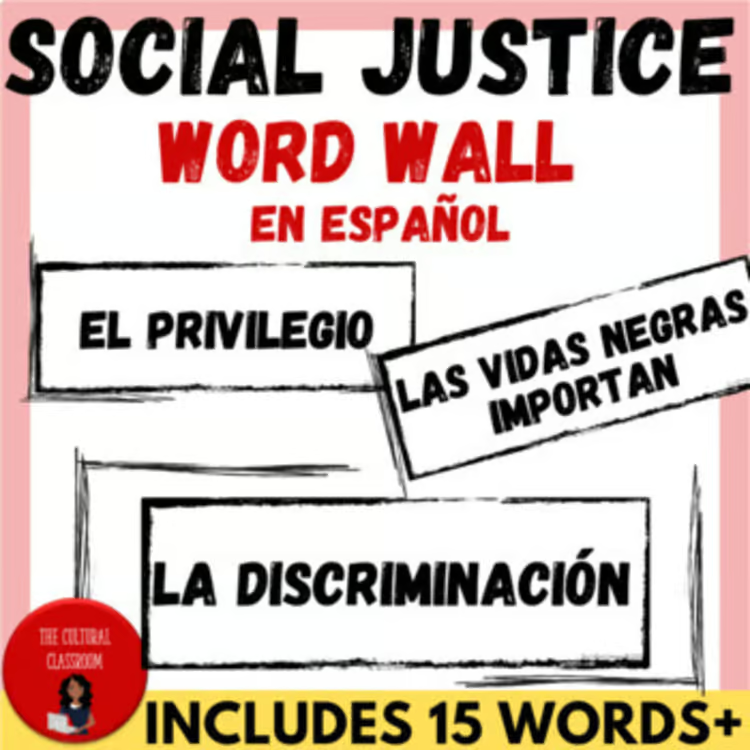
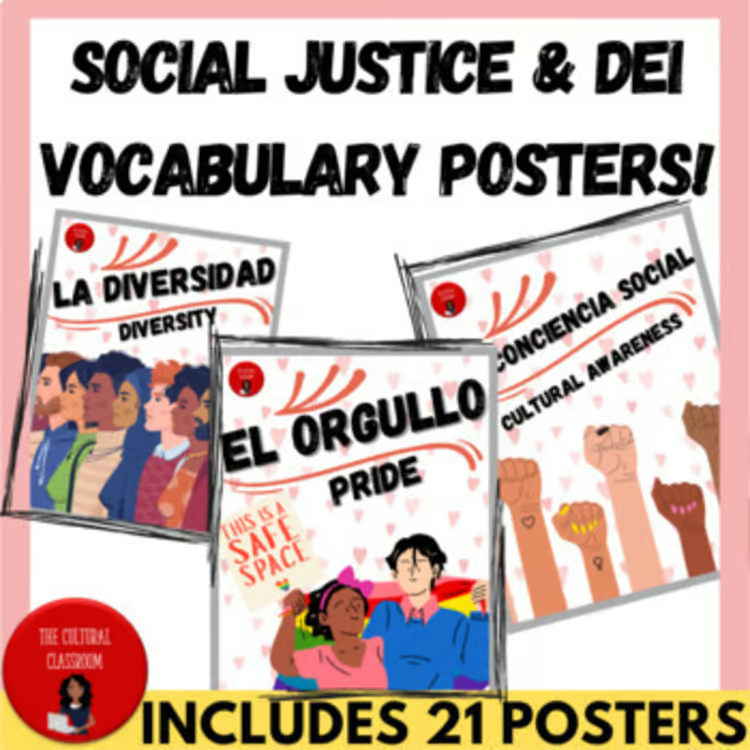
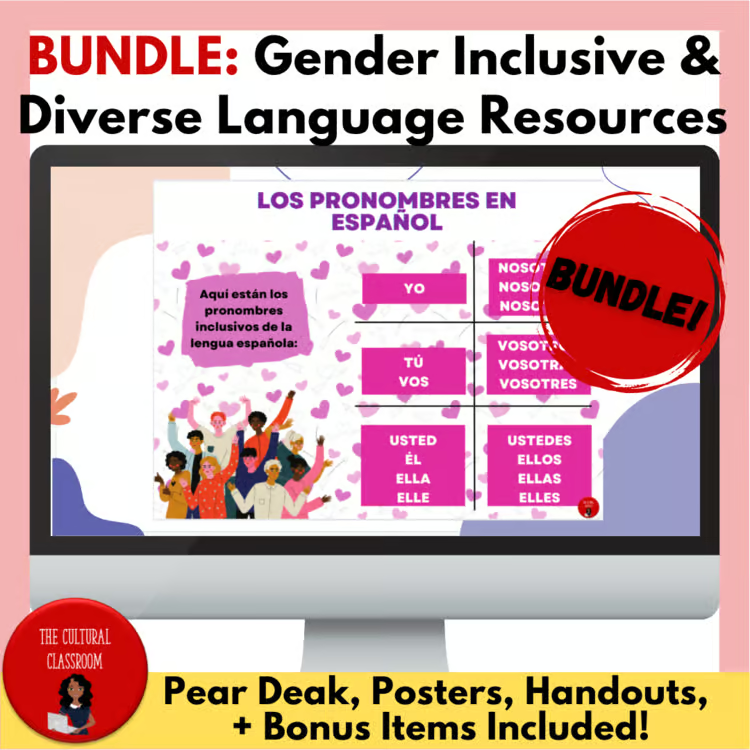
Everyone’s talking about “social justice” in the classroom—but what does that actually look like on Day One, especially when you’re juggling a hundred other priorities? If you’re short on time (aren’t we all!), you don’t need to overhaul your entire curriculum or spend evenings buried in academic journals. Instead, think of me as your magical cultural hadita 🧚🏽♀️—here to sprinkle quick, sustainable strategies that honor your students, implicitly and explicitly, from the very first slide.
What Is Social Justice in Education?
At its heart, social justice in education is about equity: ensuring every student has what they need to learn, thrive, and see themselves reflected in the classroom. As Dr. Sonia Nieto explains, a social-justice perspective means providing all students not only material resources—like texts, visuals, and supports—but also emotional resources: belief in their ability, care for them as individuals, and the cultural capital to navigate the world. It goes beyond individual classrooms, calling on us to question policies like tracking or high-stakes testing and to reject any deficit view of our students. Instead, we celebrate their languages, cultures, and lived experiences as assets (rozenbergquarterly.com).
Start Small: The Power of Your Visual Choices
One of the easiest, highest-impact shifts you can make is simply which images, clipart, and characters you include in your slides and handouts. Culture doesn’t only mean race or ethnicity—it’s every dimension of identity you choose to highlight. Before you finalize a presentation, give your visuals a quick audit:
- Body Inclusivity: Do your characters represent a range of body types?
- Age Diversity: Are both younger and older faces present?
- Ability & Neurodiversity: Do you include students with visible or subtle markers of disability?
- Cultural & Linguistic Backgrounds: Beyond “Latino,” are you showcasing different regions, dialects, or heritage groups?
- Gender & Pronouns: Are people using a variety of pronouns or gender expressions?
- Names & Narratives: Do the names reflect diverse origins, and do their mini-bios hint at a wider world?

Guiding Questions for Your Resource Audit
As you design or revisit any lesson, ask yourself:
“Will my students see themselves in these materials? Will these choices expand their horizons and help them become true global citizens?”
These wonderings are more than rhetorical—they’re the compass that points all your implicit and explicit cultural work in the right direction.
From Wonderings to Action
Once you’ve reflected on those questions, you’re ready to act:
- Audit one upcoming slide deck or worksheet this week using the questions above.
- Swap in one new image or name that broadens representation.
- Share a brief reflection with your students: “Notice anything different about today’s materials?”
And if you want more than just a taste of this approach, download one of my many FREEBIES, including my Inclusive Pronouns Poster Pack, featuring diverse characters and clipart. It’s the perfect way to jumpstart your journey—no extra prep required! ⤵️
🌟 Check out this video from one teacher who follows The Cultural Classroom and uses the posters in her class!
Why This Works
You don’t have to hit students over the head with a “social justice” label. When we weave inclusive imagery and narratives into everyday lessons, social justice becomes cultural education—part of everything we do, whether we say the term out loud or not. And small, consistent steps add up to a classroom where every learner feels affirmed from Day One.
If you like this resource, you might also like: