Start the school year with ease and inspiration by creating a cultural classroom. In this post, discover three irresistible, low-prep ways to integrate authentic culture into your Spanish or world language lessons—plus research-backed reasons why cultural inclusion and representation matter for your students’ learning and sense of belonging.
As world language teachers, our hearts are full—and so are our plates 🍛. The start of the year can feel like a sprint: learning new names, setting expectations, building trust, and fine-tuning lesson plans. Many of us also play double duty—even stepping in as translators during parent meetings, helping colleagues communicate with Spanish-speaking families, or serving as cultural liaisons for the school. 😨
If you’re feeling overwhelmed right now, you’re not alone. This time of year is intense. But here’s the good news: integrating culture into your lessons can be calming for you and enriching for your students. It doesn’t have to be “one more thing” on your list—it can be the source through which you teach everything else.
🌟 Why Culture Belongs in Daily Lessons
Culture isn’t just the sprinkles on top of language instruction—it’s the cake itself. Research supports what many of us already feel intuitively: students learn language more effectively when it’s taught in context. A 2024 study by Nguyen Thanh Long and Dang Thi Kim Chung found that students exposed to cultural content—through authentic media, interaction with native speakers, and culturally rich materials—experienced higher motivation, better contextual understanding, and greater language retention.
When culture is integrated daily, students don’t just memorize vocabulary and grammar—they understand how those words live and breathe in the world. They’re more curious, more engaged, and more likely to make meaningful connections.
1) Warm-Ups Playing Double Duty
Warm-ups are a golden opportunity to bring culture into the room, even if it’s only for a few minutes. But there are a few ways to think about this:
Warm-ups with a primarily cultural focus (examples):
- Watch this Instagram reel on the colonial history of Bolivia and have a meaningful discussion on stereotypes vs. reality, based on colonialism & the resilience of indigenous and Afro cultures in countries like Bolivia.
- Before your students get settled, have them get up and join in on this short merengue dance lesson! Discuss where the music comes from and some important cultural aspects of the Dominican Republic.
- Show students this cartel of the Feria de Málaga. What should they expect from the festivities?
Double duty warm-ups:
If you’re tight on time, you can still hit your grammar or vocabulary goals within a cultural frame. For example:
- If you are studying weather with your students, consider showing works of art, such as “View of Toledo” by El Greco, and ask students to talk about the weather conditions in the painting!
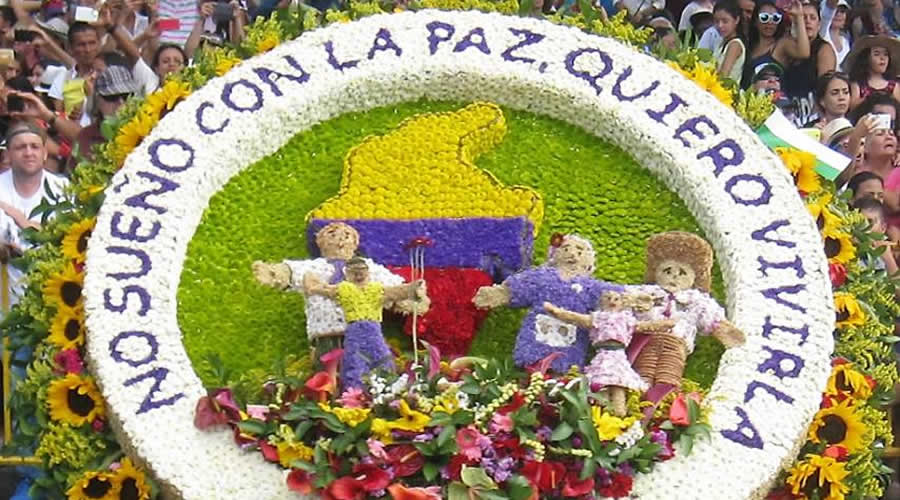
- Have students reflect on this display from the Fiesta de Flores in Medellín. What does it mean to them? Write a paragraph in the conditional tense discussing what a peaceful world would be like for them.
- In honor of Pachamama Day & the importance of nature, have students do a song study of “¿Dónde Jugarán Los Niños?“. Depending on the level of the course, they can:
- Look at the use of personification and symbolism in the song and how it advances the themes of the song
- Highlight & identify the different verb tenses in the song. What do the tenses tell you? How do they advance the plot?
Either way, warm-ups set the tone for the day and remind students from the start that Spanish isn’t just a subject—it’s a living, breathing doorway to the world.
2) Drop-In Cultural Celebrations for August
August is packed with cultural touchpoints that are easy to sprinkle into lessons:
| Celebration | Date(s) | Why It Works in Class | Links For More Info |
|---|---|---|---|
| Pachamama Day | Aug 1 | An Andean tradition great for exploring nature, Mother Earth, and Gratitude. | AP News |
| Bolivia’s Independence Day | Aug 6 | Discuss independence movements and compare historical timelines. | Don Quijote, National Today |
| International Day of the World’s Indigenous Peoples | Aug 9 | Explore Indigenous contributions, traditions, and language preservation. | NARF |
| Ecuador’s “Primer Grito de Independencia” | Aug 10 | Compare the tone and events of different independence movements. | National Today |
| Feria de las Flores (Medellín) | Aug 1–10 | Perfect for visuals, descriptive writing, and music connections. | Medellín Official Site |
| Feria de Málaga (Spain) | mid-Aug | Great for exploring Andalusian traditions and flamenco music. | Wikipedia |
You don’t have to turn each one into a full lesson. Even a 3-minute mention—with a quick visual, a new word, or a reflective question—plants a cultural seed.

3) Classroom Décor That Speaks Culture
Your classroom walls send a message about who belongs and what matters here. When students see culturally diverse images—both of people who look like them and of people from other backgrounds—it boosts belonging and empathy.
Research confirms this: children exposed to positive, realistic portrayals of diverse families and peers experience higher self-esteem and stronger identity formation (Greater Good Science Center, 2020). Conversely, limited or stereotyped representation can negatively impact self-perception (Nursing Clio, 2022).
Practical décor tips:
- Post common classroom expressions with diverse student illustrations (free download here or below).
- Add a cultural calendar wall—students can help update it monthly.
- Rotate a small display of artifacts—photos, textiles, instruments—with simple Spanish captions. Check out my rotating cultural calendar/display that my students managed below ⬇️:
Even if you’re pressed for time, these small shifts make a big difference in how your classroom feels and functions.
Wrapping It All Together
The start of the school year will always be busy 🤹🏽♀️—no getting around that. But culture doesn’t have to be an extra burden. It can be the thread that ties your lessons together, keeps students engaged, and reminds them (and you!) why language learning matters.
“It (Culture) can be the thread that ties your lessons together, keeps students engaged, and reminds them (and you!) why language learning matters.“
So whether it’s through a calming cultural warm-up, a quick nod to an August celebration, or classroom walls that tell a story of belonging—you’re not just teaching Spanish. You’re creating a space where students see the world, see each other, and see themselves.
And that’s worth every minute.
Here’s to a year filled with curiosity, connection, and cultural joy. 🤩

Featured products
-
25 minute Consultation | Add-On Culture Calls
Original price was: $25.00.$20.00Current price is: $20.00. -
Add-On Bundle: 7+ Afro-Latino Ready-Made Resources
Original price was: $42.99.$34.39Current price is: $34.39. -
Celebrating Afro-Latino Heritage Mini-Course | Member Access
Original price was: $150.00.$40.00Current price is: $40.00.